Our engineers push back when requirements don’t make technical sense, suggest simpler approaches, and flag risks before you ask.
Get a managed team with a built-in tech lead who owns execution, delivery, and day-to-day momentum, so you can focus on architecture, product, and strategy.

You didn't hire them to become a project manager.
You’re dealing with:
Coordinating every individual developer (there goes 10-15 hours/week)
Firefighting quality issues that should've been caught in code review
Translating business requirements because they don't think strategically
Absorbing all the risk when deadlines slip or technical debt piles up
Constant turnover that creates knowledge loss and onboarding overhead
Our engineers push back when requirements don’t make technical sense, suggest simpler approaches, and flag risks before you ask.
"What stood out most about Innostax was their exceptional ability to deeply understand our business needs and translate them into effective technical solutions. Their proactive approach, coupled with their willingness to suggest innovative ideas and improvements, set them apart from other development partners."—Steven Scheffler, CTO, Travelstart
Your Tech Lead makes technical decisions with oversight from our senior architects. No bureaucracy, no waiting for approvals.
"Their planning was outstanding. The estimation methods were pretty new and modern taking into account the unpredictables that might happen on the project. Clearly they have a proven track record and experience handling large projects without issues."—Enterprise Architect Director, Educational Services Provider (10,000+ employees)
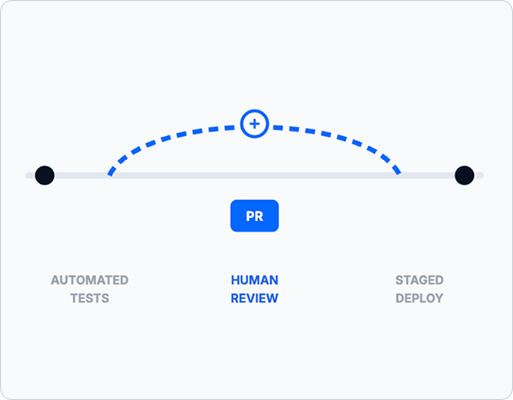
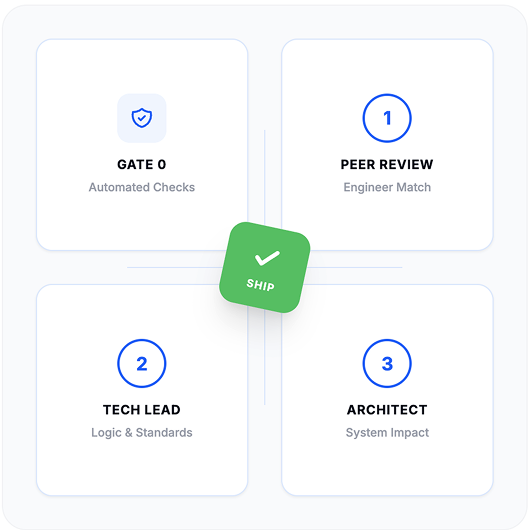
Every PR goes through AI review, peer review, Tech Lead review, and architect review. No code ships without passing all four gates.
Your Tech Lead enforces your standards, not ours — your conventions, linting rules, and architectural patterns become part of the checklist.
"The engineering practices that were demonstrated had high standards of quality. They were very particular on code reviews and maintaining consistency and delivering high quality code."—Enterprise Architect Director, Educational Services Provider

95%+ retention means your team stays consistent. No quarterly onboarding cycles, no context lost in handoffs.
RETENTION
Great Place to Work certified in India (Nov 2025-2026) Proof that we retain talent because we treat engineers well, not just pay them.
Bi-weekly reports showing velocity, quality metrics, and sprint health vs. global benchmarks — the same visibility you’d have with an internal team.

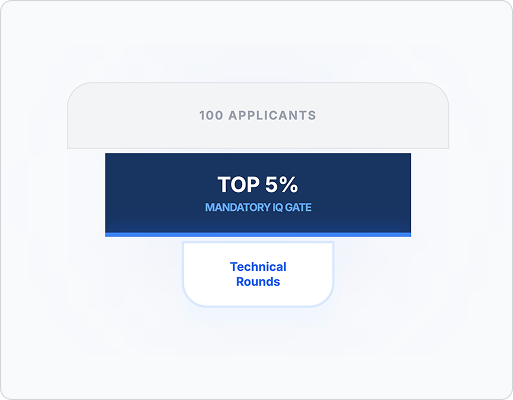
We don't hire people who just know React. We hire people who can solve problems they've never seen before. That's why they move fast.
"Every candidate takes a mandatory IQ test before technical interviews. If they can't think critically, they don't get to the coding round."

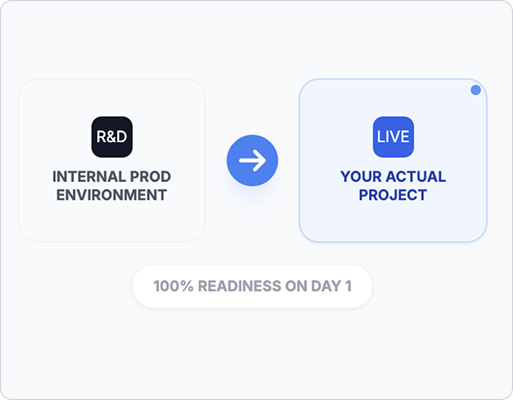
New hires join our R&D team and build our internal products (a corporate travel platform) before touching client code. They learn our processes by doing real work, not watching videos.
"When they join your project, they already operate at full velocity."

Feature branches, pull requests, automated testing, staged deployments — no shortcuts. AI-assisted code goes through SOP-based review before any human looks at it.
"We adapt to your workflow. GitHub Actions, GitLab CI, Jenkins, CircleCI, custom pipelines — we've integrated with them all."
On vendor renewal fees. E-learning company hit critical deadline before Mulesoft renewal, eliminating the cost entirely.
And 15% reduction in booking failures. Travelstart scaled their platform while improving reliability.
From 24 to 15 engineers without losing velocity. Same company replaced 24 onshore engineers with 15 offshore, saving millions over three years while maintaining output.
"Tech became a non-issue in the company like never before. Feature deployments and fixes became predictable."
— George Grabher, Former AVP Technology Management
"They supplied a leader for every section that they were working on and joined our daily scrum sessions and provided updates within our internal tracking systems on a regular basis. Could not have asked for a more responsive and organized team."
We review your architecture, stack, deployment process, and pain points. Your Tech Lead needs to understand your system before writing code.
Tech Lead + Engineers matched to your stack and technical requirements.
We join your standups, Slack channels, Git workflow, and CI/CD pipeline. We operate like an internal team, not a vendor.
Daily progress updates. Bi-weekly performance reviews. Proactive risk escalation. You always know where you stand.
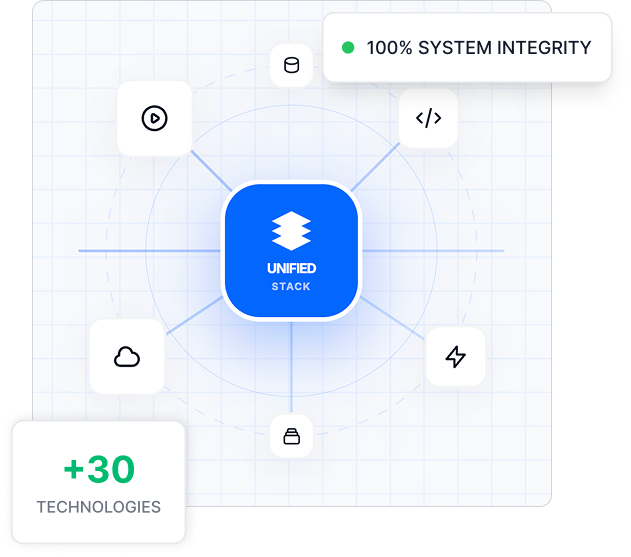
Don’t see your stack? We’ve worked with dozens of technologies. If it’s not a match, we’ll tell you upfront, no wasted discovery calls.

Two-week free trial on your actual work. Experience how our Tech Lead coordinates the team, how our code review process works, and how engineers challenge requirements.
What you'll see:
No credit card. No contracts. Walk away with one day's notice if it's not working.
Your Tech Lead makes day-to-day technical decisions with oversight from our senior architects. Strategic architectural decisions get escalated to you with a recommendation, not a question. They own execution, you own strategy.
Yes. We integrate with your existing pipeline (GitHub Actions, GitLab CI, Jenkins, CircleCI, custom) and follow your deployment process. If you don't have one, we can help set it up.
We can bring in specialized engineers for specific needs. If it's outside our core expertise, we'll tell you upfront and recommend alternatives. We never like pretending we do everything.
Your Tech Lead flags technical debt proactively and recommends when to address it vs. when to ship fast. You get a quarterly technical health report with debt assessment and prioritized recommendations.
We follow OWASP Top 10, implement secure coding practices, and conduct security reviews as part of code review. For regulated industries (healthcare, finance), we can implement additional compliance requirements (HIPAA, SOC 2, PCI-DSS).
Your Tech Lead spends the first week doing a deep dive on your architecture, reading documentation, and reviewing recent PRs. They don't start writing code until they understand the system. First PR is typically small and well-documented to demonstrate they get your conventions.