


- 1 Python is a versatile and easy-to-learn language, highly favored by web developers for its ability to handle complex tasks such as AI, machine learning, IoT, and data science. With its extensive libraries and frameworks, Python supports scalable and flexible web applications, including CMS, ecommerce platforms, and social media apps like Instagram, Spotify, and Dropbox. It also excels in data science, providing tools for data collection, visualization, and predictive analysis, powering major platforms like Netflix, Uber, and Amazon. Python’s strong API development capabilities and frameworks like Django REST, Flask, and FastAPI make it a top choice for building and integrating APIs. The language’s frameworks for AI and machine learning, such as TensorFlow, Keras, and scikit-learn, are used to develop sophisticated applications like Tesla Autopilot and Amazon Alexa. Additionally, Python is ideal for cloud-based and IoT app development, with popular applications like NASA’s cloud solutions and the Raspberry Pi automation systems being built using Python. Its flexibility and support for rapid development make Python a go-to language for creating cutting-edge, data-driven applications.
- 2 Python can be used for web applications, APIs, AI, machine learning, cloud solutions, and IoT systems.
- 3 Its extensive library ecosystem helps developers build and integrate software more efficiently.
- 4 Python is well suited for applications that depend heavily on data processing and analytics.
- 5 Businesses can use Python to automate repetitive tasks and connect different software systems.
Did you know that approximately 49% of the web developers in the world use python technology for developing apps that operate on AI, machine learning, and IoT? Due to its simplicity and versatility, it has become very popular for developing advanced software solutions.
Having a vast collection of libraries and frameworks, python is popularly used for custom software development solutions. Let’s check out the scope of what you can avail with python libraries and frameworks.
Web Application Development
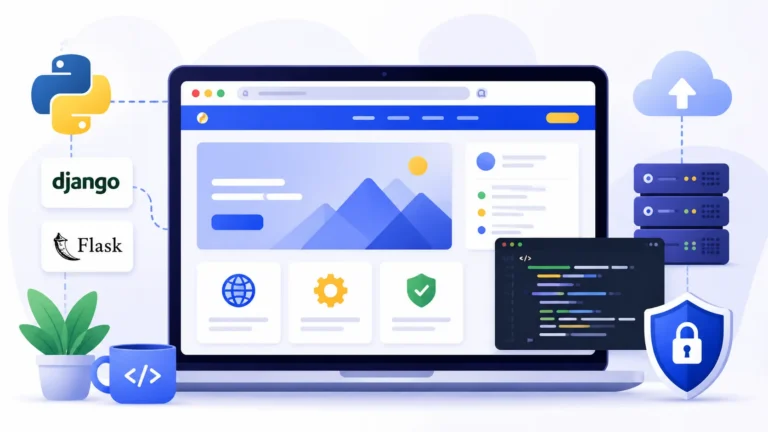
Progressive web applications, that are responsive to mobile phones, tablets, and web browsers require custom backend development. If you require scalable and flexible apps that can efficiently handle immense data, then python is your solution for all kinds of apps. These include the following:
- Content management systems
- Ecommerce platforms
- Social media apps
- Data-driven platforms
- Financial portals
- Media streaming apps
- Science & research related platforms
Popular web apps made on python:
- Spotify
- Dropbox
- Quora
Data Science and Analytics

Python has an extensive collection of libraries, machine learning frameworks, data visualization tools, and integration capabilities that make it simple and convenient to manage data collection, integration, analysis, and management. Here’s what its data science development capabilities include:
- Data collection from databases and APIs
- Removing data inconsistencies and handling missing data
- Data visualization through dashboards, charts, and graphs
- Statistical analysis of patterns, trends, and correlations
- Predictive analysis through machine learning models
- Managing and analysing big data
- Building business intelligence dashboards
Popular data science and analysis solutions made with python:
- Netflix
- Uber
- Airbnb
- Google Analytics
- Meta
- Amazon
API Development & Integration

API or application programming interface is a set of protocols that facilitate the exchange of data between two software, systems, or microservices. Python has frameworks like Django REST, Flask, and FastAPI to facilitate API creation. Its scalability, integration support, built-in security features, and modular structure further make it simpler to develop APIs.
Popular apps that use python for API solutions:
- Stripe
- Twilio
- OpenAI
- YouTube Data
- Mozilla Firefox
- Bitly
AI & Machine Learning
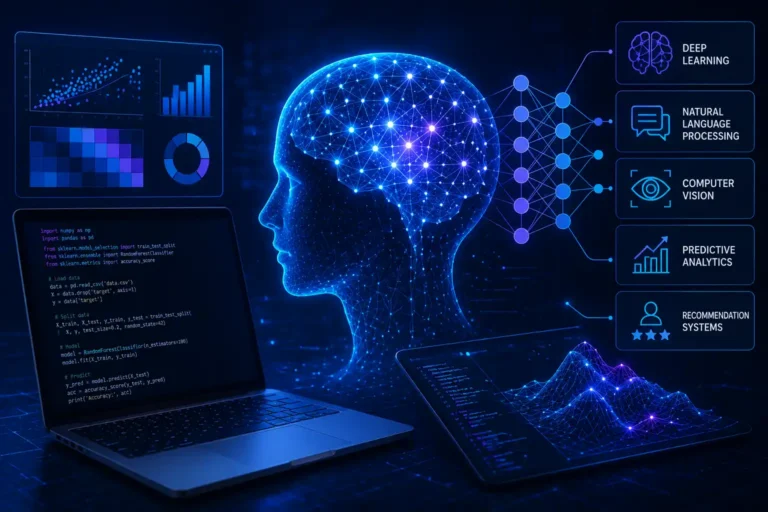
Python is filled with libraries and frameworks that are specially meant to create AI and machine learning algorithms. Some of the most popular AI and machine learning apps have been made on these python frameworks. Following are some of the frameworks of python that developers use for machine learning and AI development:
- TensorFlow
- Keras
- scikit-learn
- PyTorch
- Pandas
- NumPy
Popular AI and machine learning algorithms made on python:
- AlphaGo by DeepMind
- IBM Watson
- Tesla Autopilot
- Cortex
- Amazon Alexa
- RankBrain by Google
Cloud-Based App Development

Most data-driven apps store data on cloud servers due to its extended capacity to handle massive data. Python has frameworks and libraries that help to interact with AWS, Google Cloud Platform services, and Microsoft Azure services. Its cross-platform compatibility, integration capabilities, automation and scripting capabilities, and data handling libraries further help in integrating apps with cloud servers.
Popular apps that use python for cloud storage:
- NASA
- Mega
- iCloud
- Backblaze
- Wasabi
- pCloud
IoT App Development
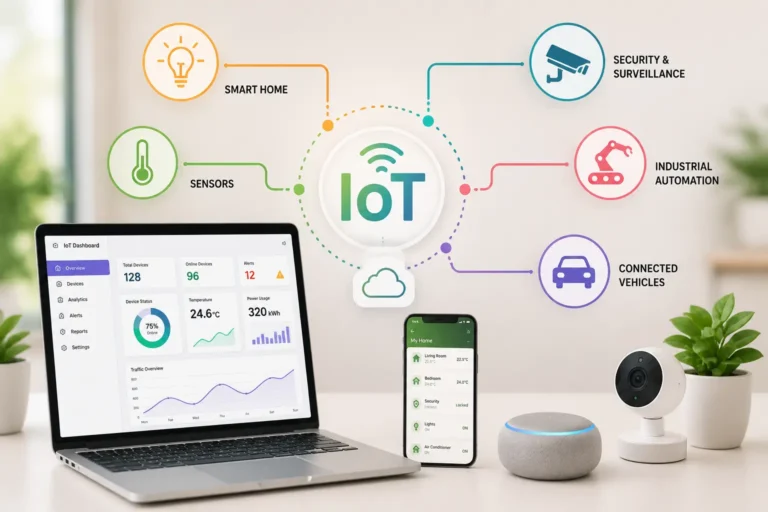
Since IoT largely involves usage of AI, machine learning, and cloud storage solutions, python is an ideal language for developing these apps. Additionally, it has libraries and frameworks to simplify sensor control, data collection, and communication in IoT systems. Its cross-platform compatibility, fast prototyping capability, and strong data analytical tools further make it more efficient for developing IoT solutions.
Popular IoT solutions made on python:
- Raspberry Pi Home Automation Systems
- Nest Thermostat
- Philips Hue Smart Lighting System
- FitBit
- Smart sensors and industrial automation systems by Bosch
- MindSphere by Siemens
Why do you think Python is appropriate for software development? Explain your answer.
I think that Python is appropriate for software development because of its applicability in different areas of technology. For instance, one organization can choose this programming language for the development of web applications, data science, automation, and implementing machine learning algorithms.
Furthermore, Python seems easy to maintain because of the simplicity of syntax. Moreover, the programmers can use open-source external libraries for Python. This characteristic is especially helpful for organizations since they save time and resources that would be required for developing unique modules.
In addition, I think that Python is suitable for software development because of the possibility of updates. For example, if a company uses Python for coding applications, it can add new features and functions to the existing software in accordance with the customers’ requirements.
Python for Automation
Data has become an essential component of any modern software, and Python programming language offers a variety of tools for its analysis. The libraries like Pandas and NumPy provide a data scientist with features to process and structure data, and additional tools can be used to plot the results.
Python can also be used for preparing data for machine learning, which allows the software to do more than just store and display information. For this purpose, Python provides various functions and modules, which can be used individually or as a part of different machine learning frameworks. In case of a need to analyze some large sets of data, which is common for many businesses nowadays, Python can be utilized to build applications that would process this data to extract meaningful information from it. Thus, Python can be used both for developing various applications and as a tool for data mining, analysis, and visualization.ale operation. Sometimes, even a small amount of repetitive work can be made easier by utilizing some code.
Python for Data-Driven Applications
Data is the new oil,” and Python is a multi-purpose programming language that helps developers extract value from it. One can utilize the libraries like Pandas and Numpy to load, store, and analyze the data. Moreover, one can use visualization tools to present the results of the analysis in the form of dashboards and graphics. The latter is especially helpful when tackling machine learning tasks, which enable one to gain deeper insights into the data and predict future trends and patterns.
Hence, with Python, one can create applications that process and store data, as well as those that utilize machine learning algorithms to mine data and achieve more interesting results. It makes Python essential for companies that rely on data, which is most of them nowadays, given the amount of data generated each day.
Python for Scalable Applications
Python can support applications as they grow, provided the underlying architecture is designed to handle increasing users, data, and workloads. Cloud infrastructure, caching, databases, queues, and other supporting technologies can be combined with Python to improve application performance.
Scalability is not determined by the programming language alone. How the application is structured, how data is stored, and how different services communicate can have a much greater impact on its ability to handle growth.
For this reason, Python development should begin with a clear understanding of the application’s expected workload and future requirements. This helps developers choose the right frameworks, architecture, and infrastructure from the beginning.
Which Python Development Solutions are You Looking for?
Python is primarily popular due to its ease and flexibility of use. It is responsible for the most advanced technologies being used that have changed the way the world works. In other words, the software you can build with python can be revolutionary. Do you aim to build something like that? If yes, then all you need is a good python developer.