

A conversion-focused business website depends on more than good design, it needs the right technical foundation, and PHP paired with a CMS like WordPress, Drupal, or Joomla provides that foundation for most businesses. PHP-powered CMS platforms improve site speed, mobile responsiveness, SEO structure, and personalization, all factors that directly influence whether a visitor converts or leaves. Choosing between WordPress, Drupal, and Joomla comes down to project complexity, scalability needs, and budget, and partnering with an experienced development team helps ensure the technology choice actually supports the business’s conversion goals rather than working against them.
- 1 1. Strategic & Clear: Combining PHP with a powerful CMS creates a secure, scalable, and conversion-focused website that meets business goals.
- 2 2. Benefit-Oriented: PHP-powered CMS solutions enhance performance, SEO, and user experience—turning your website into a lead-generating machine.
- 3 3. Concise & Direct: A PHP-based CMS website offers speed, security, and flexibility—key ingredients for driving business growth online.
- 4 4. Technical Yet Approachable: PHP development with CMS integration delivers a high-performing, SEO-optimized, and easily manageable platform for business success.
- 5 5. Action-Driven: To boost conversions, invest in a PHP-based CMS solution that aligns technology with user needs and business objectives.
A business website is more than just an online presence, as it has the potential to get more customers. The website’s success lies in how it converts visitors into leads or customers. So, a website must be robust, user-friendly, and must have a way to generate leads or sales. Here, PHP website development, paired with the right CMS (Content Management System), can be instrumental in driving conversions. It can streamline business operations and give better user experiences that build trust.
Why PHP for Business Website Development?
PHP is a server-side scripting language that has the power to build a relevant website. It can build simple landing pages to complex enterprise solutions. PHP software application solutions provide the flexibility and power businesses need to grow online. It has extensive support for frameworks and seamless integration with a wide range of databases and platforms.
If you are launching a startup or upgrading an enterprise portal, PHP can ensure high performance, security, and cost-efficiency.
Importance of CMS in Conversion-Focused Web Design
A CMS enables to manage the content without technical assistance. Many of the world’s most popular content management systems, like WordPress, Joomla, and Drupal are built with PHP technology for the backend development. These CMS platforms are highly scalable, customizable, and support SEO best practices. This helps the website to be more conversion-focused.
How can Building a Conversion-Driven Website with PHP and CMS be beneficial?
PHP-powered CMS development into your business website can significantly improve conversions in the following ways:
1. Improve Speed and Performance Optimization
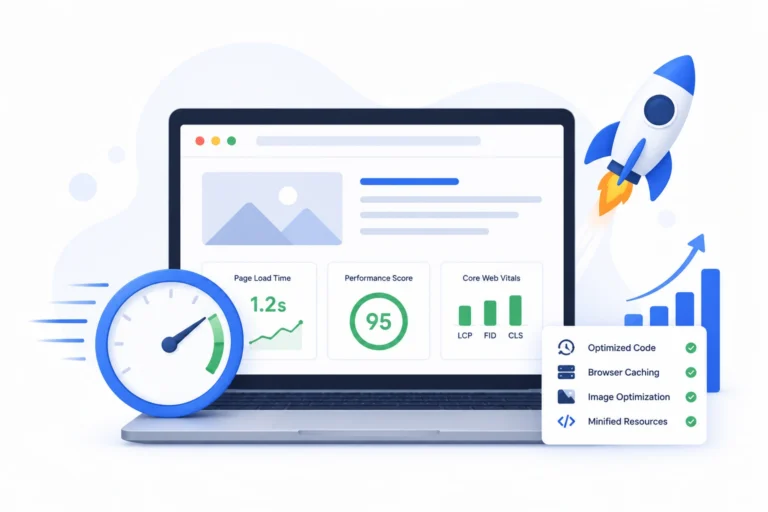
Site speed is very important in user experience and SEO rankings. With the right PHP development, different bottlenecks can be fixed. This can improve the performance enhancement that can lead to lower bounce rates and higher engagement.
Using caching, optimized database queries, and efficient code can further improve page loading times and provide a smoother browsing experience.
2. Mobile Responsiveness and Cross-Browser Compatibility

Modern PHP web application software solutions emphasize responsive design. CMS themes and templates can be built from scratch to ensure your website looks perfect on different platforms. This is essential, as a mobile-optimized site can make users’ decision to stay or convert.
A consistent experience across mobile, tablet, and desktop devices also makes it easier for users to navigate the website and complete desired actions.
3. SEO-Friendly Architecture
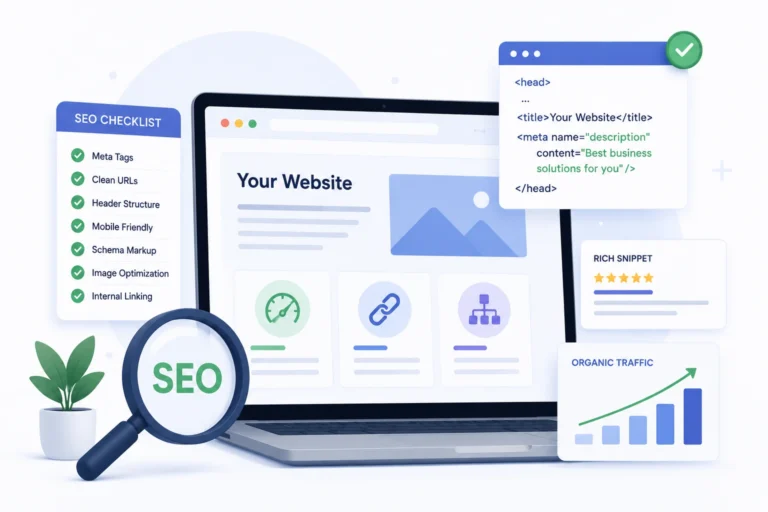
PHP-based CMS platforms come with built-in SEO tools or plugins. Proper URLs, meta tags, image optimization, and schema markup can all be managed easily. This helps the site rank higher in search engine results in driving more traffic and ultimately more conversions.
A clean site structure and properly organized content can also help search engines understand the website and improve its overall visibility.
4. User-friendly and Personalization

With PHP CMS integration, you can implement A/B testing, personalized content, and dynamic landing pages. Custom modules and plugins built through the PHP technology backend development can track user behavior.
These features allow businesses to present more relevant content and make the website experience easier for different types of visitors.
5. Secure and Scalable Infrastructure
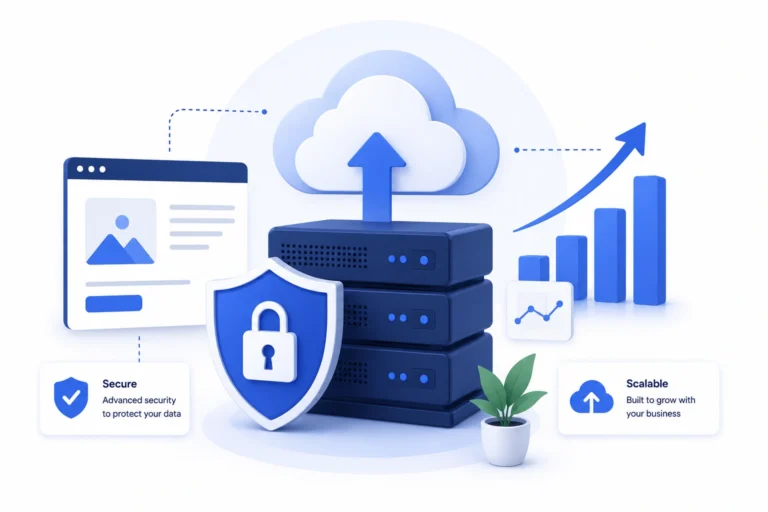
Security is important for every business. The ecosystem and active community of PHP ensure frequent security patches and updates. When you invest in professional PHP web development software solutions, you get a platform that is both secure and scalable. PHP and CMS are ideal for growing businesses that cannot afford breaches and downtime.
Choosing the Right PHP CMS for Web Development for Your Business
Selecting the right CMS depends different aspects like goals, technical requirements, and budget. Here are some examples:
- Drupal: Ideal for complex, data-heavy sites and applications. Offers excellent scalability.
- WordPress: Great for corporate websites, blogs, and small eCommerce stores. Highly extensible.
- Joomla: A middle ground between WordPress and Drupal, suitable for both beginners and developers.
Choosing the Wrong CMS for the Job
Even with the right set of technologies, there is still room for errors during implementation that can lead to a lower conversion rate. The first obvious mistake that comes to mind is selecting the wrong CMS for the project. Although WordPress is frequently the right choice that statistically has the most possible conversions, it still requires extra investment in terms of time and effort. More specifically, if the project requires a unique solution that would require much experience and knowledge to implement, it would be a mistake to use any CMS that wasn’t built with such instances in mind.
The second most common mistake pertains to the conversion strategy and layout that are not properly presented and discussed with the development team. If the project requires a high-converting website but does not require any changes to the code, there are almost no chances of it succeeding. After all, one should always build the house around the conversion plan and layout and not the other way around.
Plugin Overload and Skipped Maintenance
The problem of overloading the site with plugins that take up space and slow it down is also related to the use of CMS. Additional modules always have their own features, and any change or malfunction can be a security threat. Therefore, it is essential to remove unnecessary plugins that the company does not use a particular site.
In addition, to avoid extra costs, it is vital to understand that the process of maintaining a PHP CMS website is ongoing. Perhaps it is necessary to budget for two years for such a project instead of one. Over time, the current version of PHP is updated, CMS versions are changed, and plugins are modified. If the company decides to save money on maintenance, the site will have to undergo more significant upgrades every few years. Consequently, the costs of upgrades after an initial underfunding of the project will exceed the planned budget.
Understanding the Real Cost of a PHP CMS Website
Cost is often a company’s primary concern when asking for a quote, but it is rarely as clear cut as one would expect. Naturally, the scale of the project is the first factor that affects the price – a simple informational website with a few dozen pages will inevitably be much cheaper than an application with hundreds of unique screens, user accounts, and payment integration. However, companies should be wary of exceptionally low bids – in many cases, such vendors will use cheaper programming practices or skip vital procedures like penetration testing and QA in order to reach a lower bottom line.
Ongoing costs are equally important to consider as upfront expenditures, and the choice of hosting will affect one’s budget depending on projected traffic and required stability – a small company website will likely see only a few visitors per day, whereas an advertising network involves thousands of concurrent users daily. Finally, the maintenance and any future improvements to the product should also be considered in one’s budget, as technical debt incurred during the development will ultimately need to be paid off – and the most cost-effective time to perform such refactoring is usually after launch and collecting initial user feedback.
Migrating an Existing Website to PHP and a Modern CMS
Businesses running an older website, whether built on an outdated CMS, a legacy custom system, or a different technology stack entirely, often reach a point where migration becomes worth considering. A few signs typically point to this: the current platform no longer receives security updates, making changes requires increasingly specialized and hard-to-find expertise, or the site simply can’t support features modern conversion strategies require, like A/B testing or dynamic personalization.
Migration doesn’t have to mean starting from zero. Content, structure, and existing SEO value can often be preserved through careful planning, mapping old URLs to new ones, migrating content systematically rather than all at once, and testing thoroughly before the new site goes live. A phased migration approach, moving sections of the site over time rather than a single hard cutover, reduces risk for larger or more complex sites and lets the business validate that conversion performance on the new platform actually matches or exceeds the old one before fully committing.
Ready to Get Started with PHP and CMS Integration?
In a competitive digital marketplace, you need a website that converts, which can turn visitors into leads and customers. PHP web application development provides the technical foundation, while CMS integration delivers flexibility. Choosing the right development partner will make all the difference in building a conversion-focused website. Partner with the experts who understands how to align technology with business goals using the power of PHP and CMS. Your next big conversion boost could be just a few clicks away.